Designing a fast-paced arcade experience
Creating a high-speed gameplay experience that remains clear, responsive, and engaging.
- Client
- IZANAGI CODE
- Year
- 2023
- Role
- Co-founder & CPO
- Duration
- Personal project
Context
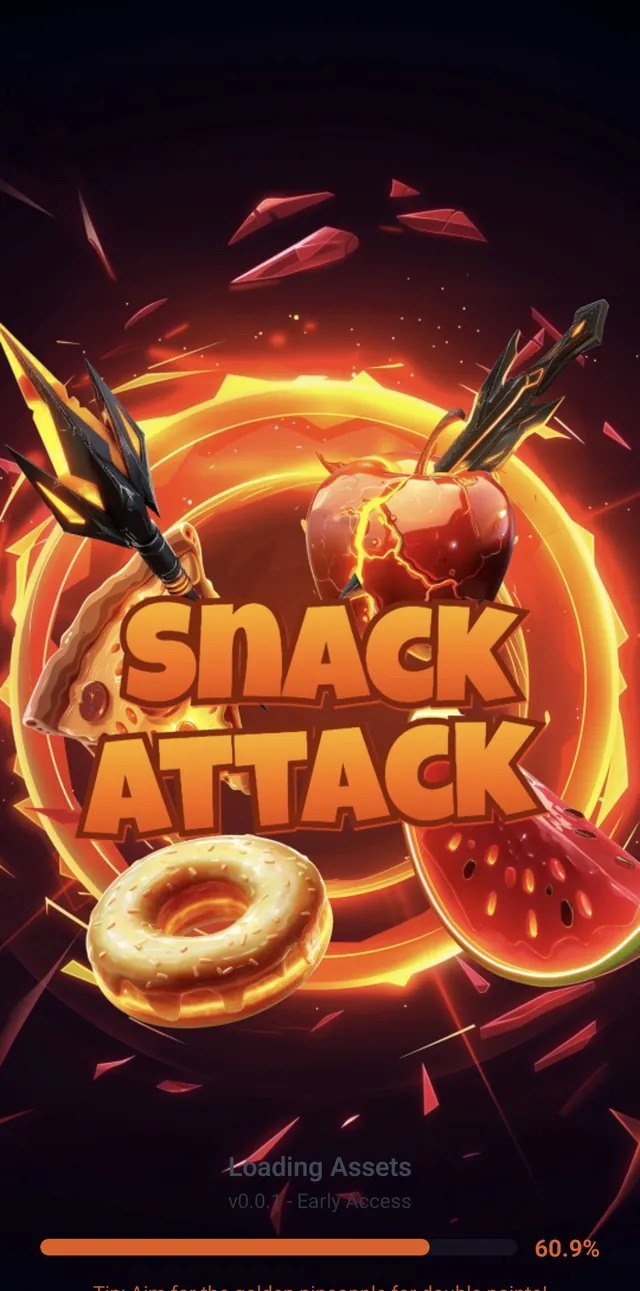
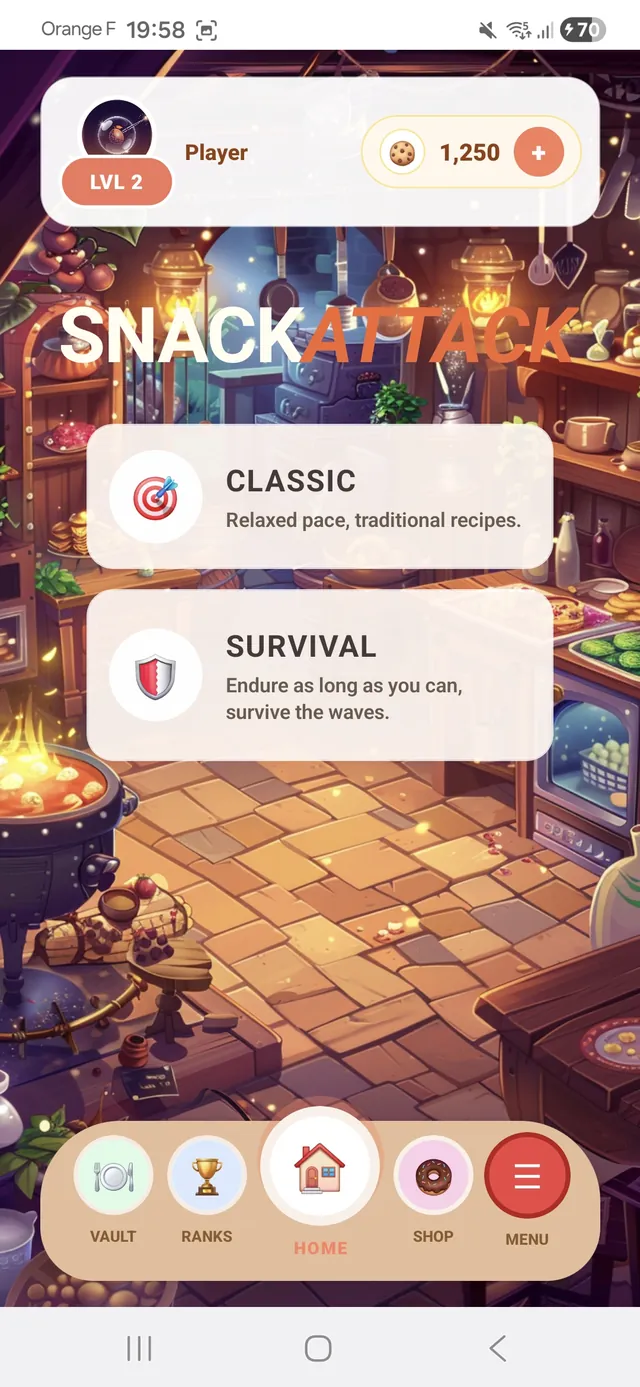
Snack Attack is an arcade-style mobile game focused on speed, reflex, and dynamic interactions.
The goal was to design an experience that remains intuitive and readable even as gameplay intensity increases. As co-founder, I led the product concept, gameplay design, and positioning.
The problem
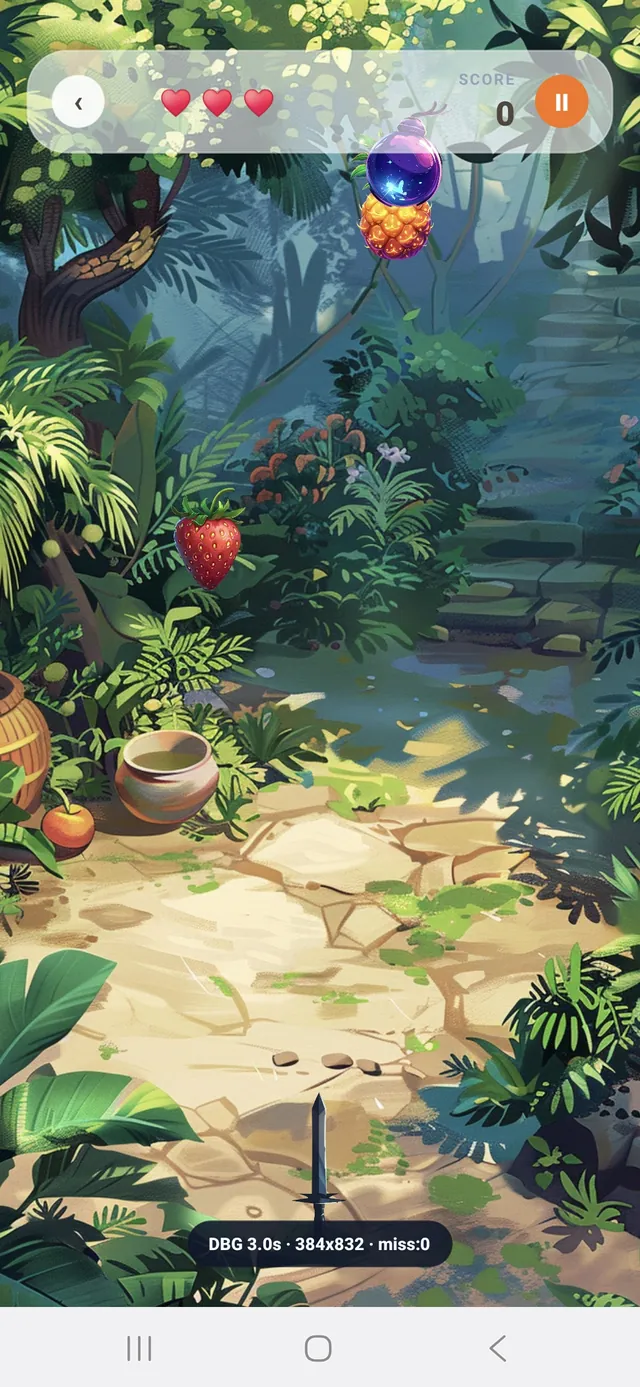
Designing a fast-paced game that balances speed and responsiveness with clarity and readability is a precise design challenge. The key risks were visual overload at high speed, losing control feel as intensity increased, and gameplay becoming unintuitive under pressure.
Discovery
Methods
- Playtesting at increasing speed levels to identify clarity breakdown points
- Analysis of control responsiveness and input latency across prototype versions
- Study of visual hierarchy in fast-paced arcade and reflex games
- Iteration on UI density and feedback patterns under high-speed gameplay conditions
What I found
Visual clarity broke down under speed pressure well before players' reflexes did. The bottleneck was always cognitive, not physical. When the interface became noisy, players attributed mistakes to the game rather than themselves, breaking trust and reducing replayability. Simplifying the visual language at high intensity was the most impactful design change.
Key insights
Clarity is the first rule of speed
In fast-paced games, visual overload causes failure before difficulty does. Readability must be maintained at every speed, not just at the start.
Responsive controls build trust
When controls feel precise and predictable, players attribute mistakes to themselves rather than the game. That trust is essential for replayability.
Accessibility and challenge are not opposites
A game that is easy to start and hard to master has a longer engagement arc than one that is simply difficult from the beginning.
Strategy
Prioritize clarity in fast interactions, design precise and responsive controls, build engaging and repeatable gameplay loops, and balance difficulty with accessibility so the game scales with the player.
Product decisions
- 01Strip UI to its minimum at high speed: only what matters in the moment stays visible
- 02Design controls for precision first, then optimize for speed
- 03Build a repeatable core loop before layering in difficulty or progression
- 04Iterate on pacing and difficulty based on observed player drop-off points
- 05Ensure feedback is immediate and unambiguous regardless of speed level
Execution
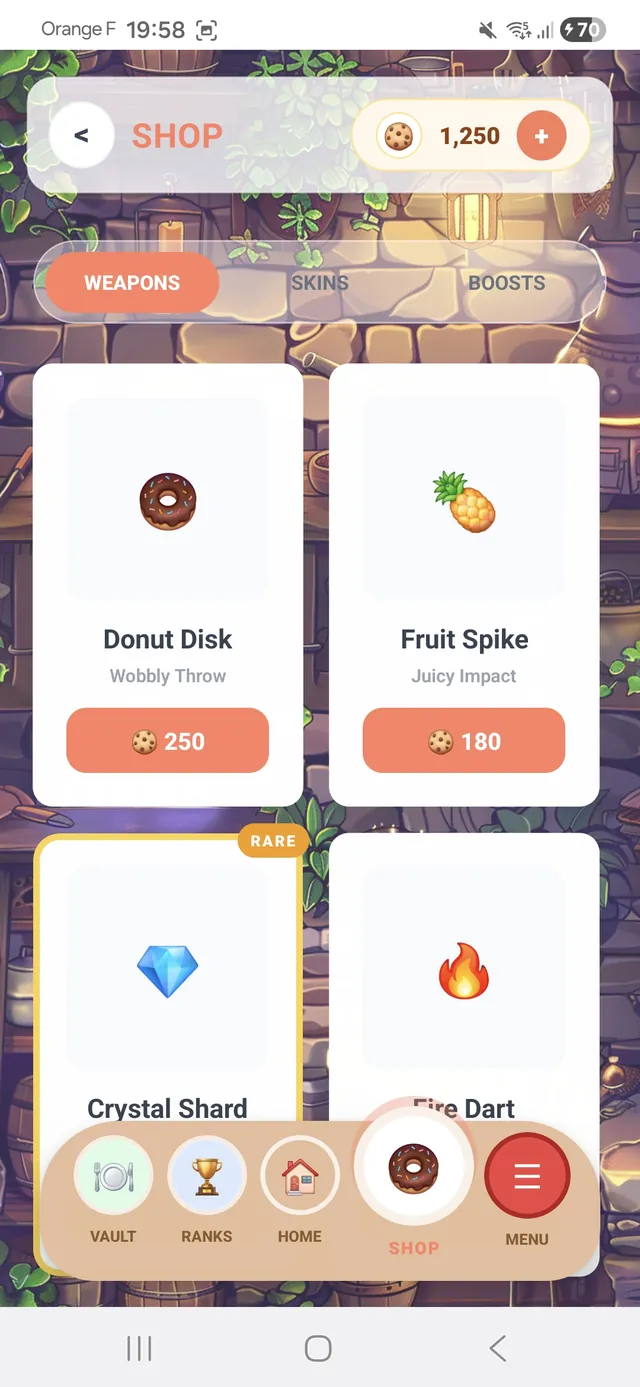
Led product and design end-to-end, from concept through core mechanics, visual clarity systems, and iterative pacing refinement across prototype versions.
What shipped
- 01Designed the core gameplay mechanics and interaction framework
- 02Structured interaction patterns for precise, responsive control at high speed
- 03Optimized visual clarity and readability under fast-paced gameplay conditions
- 04Iterated on pacing, difficulty curve, and feedback systems
- 05Refined the core loop to be immediately engaging and repeatable
Impact
Improved clarity in high-speed gameplay, an engaging and repeatable core loop, and a strong design foundation ready for future progression systems and game modes.
Key takeaway
Speed without clarity creates frustration. Well-designed interactions make fast experiences feel effortless.