Redesigning a multi-country B2B tool
Designing a unified experience across multiple markets through large-scale research and system thinking.
- Client
- Interflora
- Year
- 2022
- Role
- Lead Product Designer
- Duration
- 5 months
- Recognition
- Contentsquare Award
Context
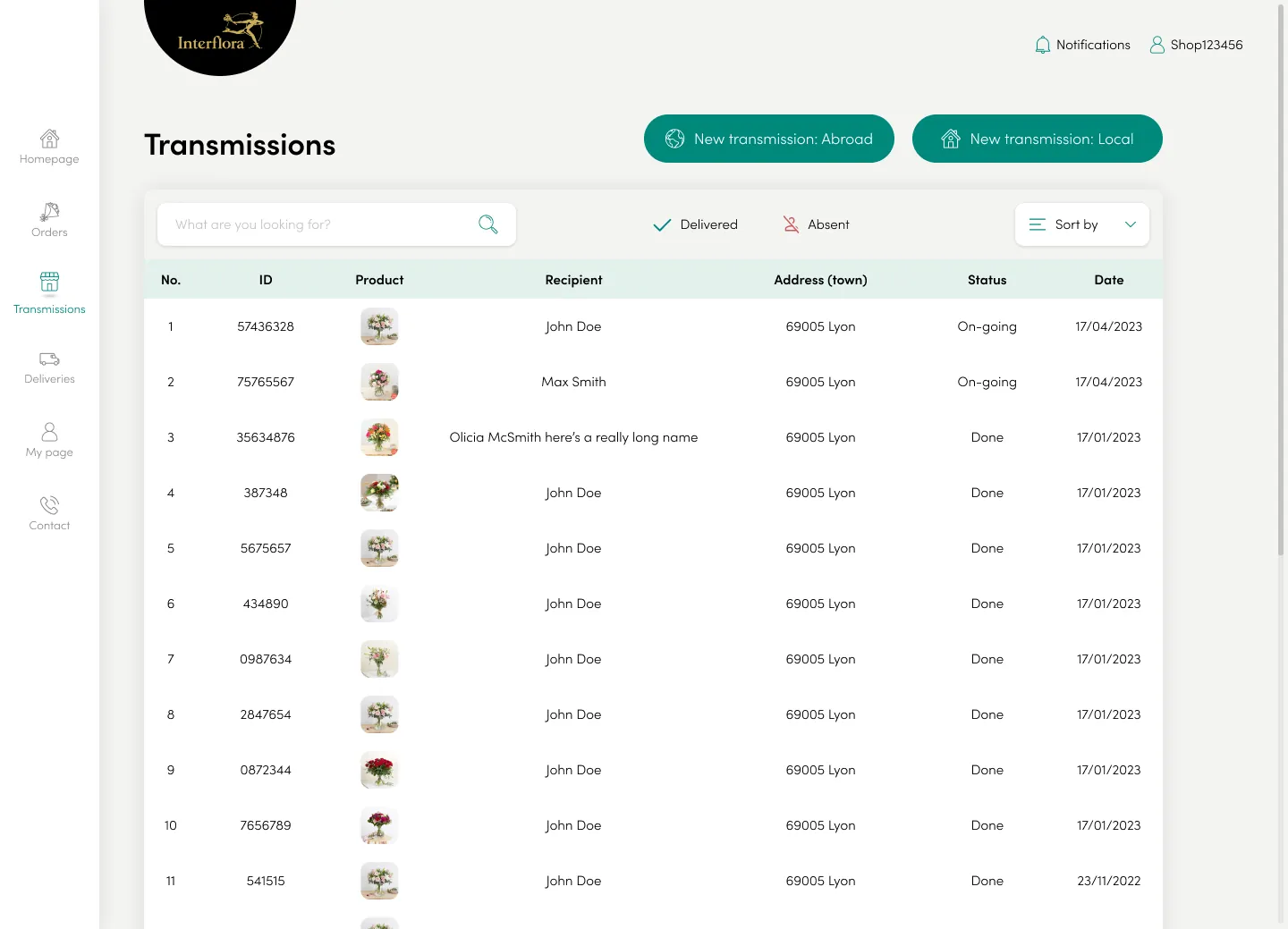
The B2B tool was used by florists across Spain, Italy, France, and Denmark, each market with different workflows, processes, and user expectations. The experience was inconsistent across countries, creating friction and misalignment between local teams and the central product.
The problem
The existing tool produced inconsistent experiences across four countries, with unclear workflows and no unified UX strategy. Teams in each market had adapted the tool independently, resulting in fragmented usage patterns and significant misalignment between countries.
Discovery
Methods
- Large-scale user research across Spain, Italy, France, and Denmark
- In-depth interviews with 410 florists to understand local workflows and pain points
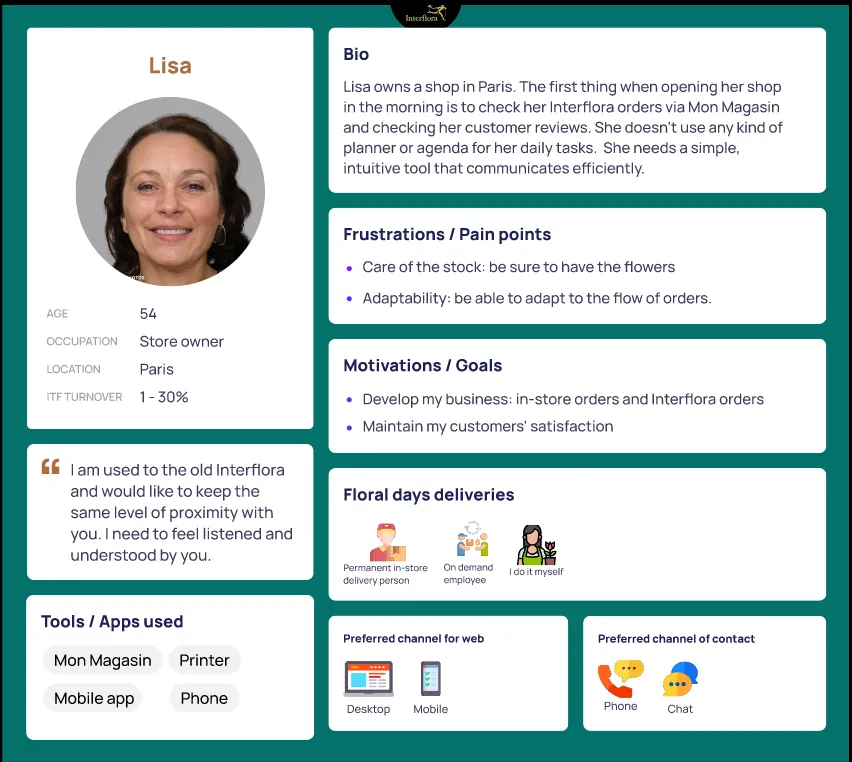
- Persona creation based on real user data collected across all four markets
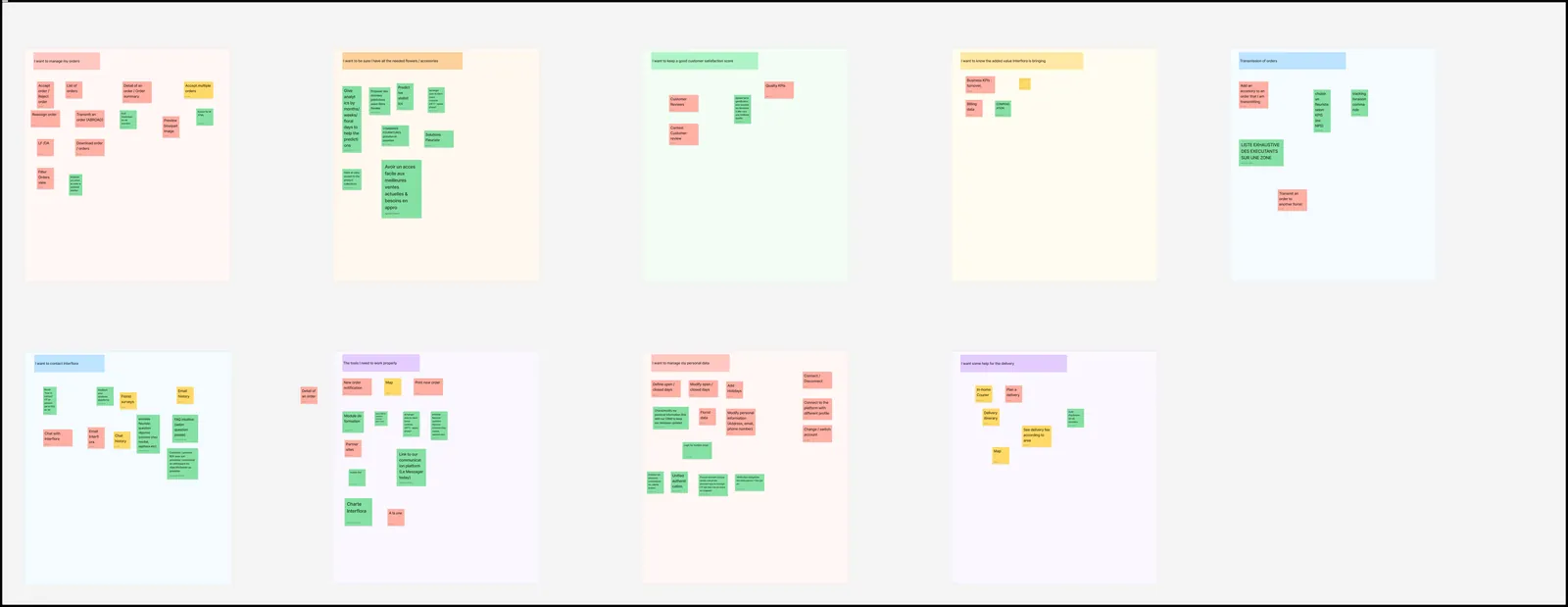
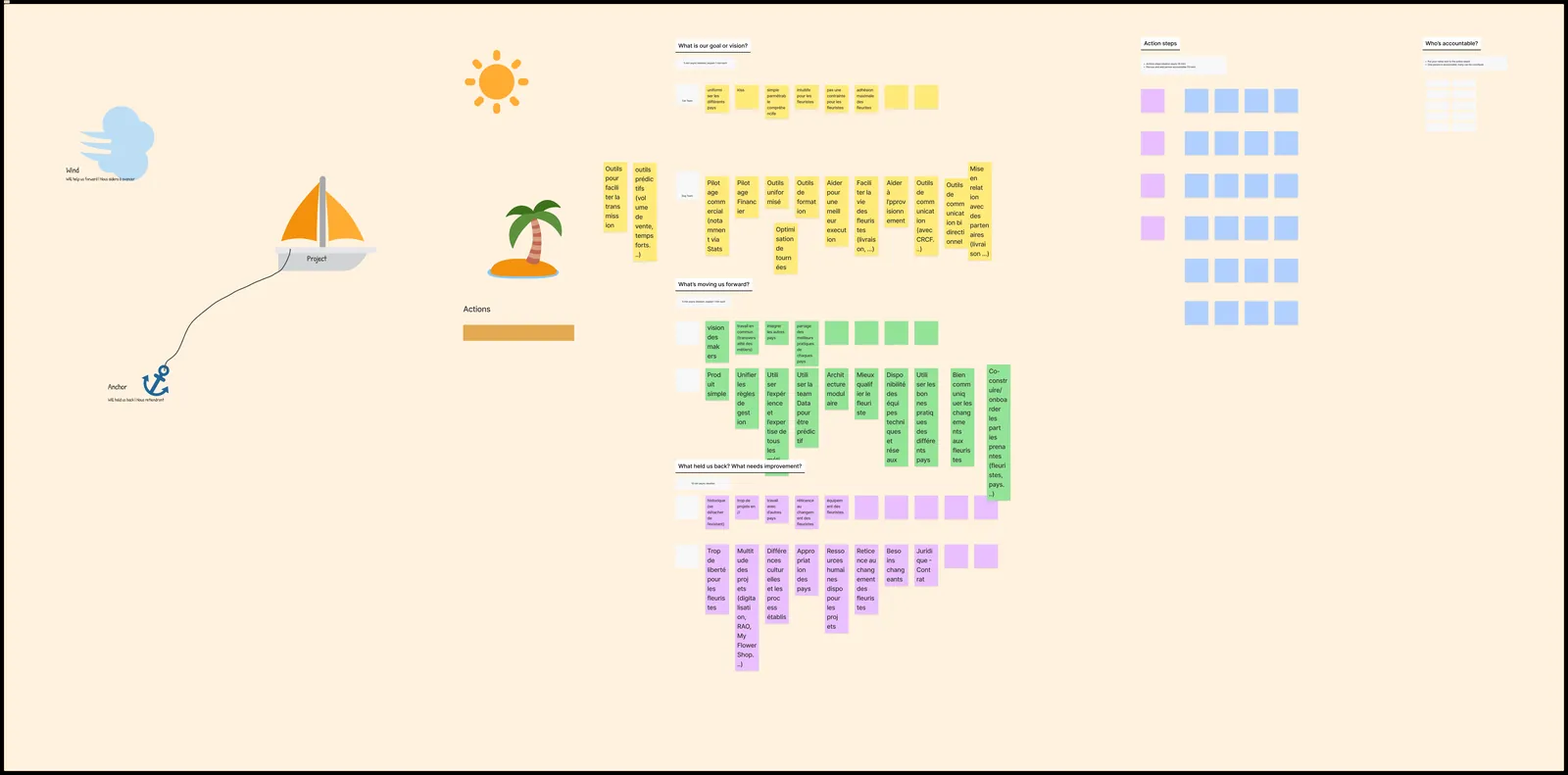
- Stakeholder workshops to align teams around research findings and priorities
What I found
Each market had developed distinct workarounds for the tool's shortcomings, masking the underlying UX issues. Despite different local contexts, florists across all four countries shared the same core frustrations: unclear workflows, lack of guidance, and difficulty adapting the tool to daily operations.
Key insights
Research at scale reveals shared patterns
Interviewing 410 florists across four countries made it possible to separate local context from universal product problems, giving design decisions a solid foundation in real data.
Workshops accelerate alignment
Facilitating structured workshops with stakeholders from each market turned research insights into shared decisions, reducing misalignment and speeding up consensus.
Scalable design needs system thinking
Designing for four countries simultaneously requires a system that accommodates local variation without fragmenting the core experience.
Data-driven decisions build trust
Grounding every design decision in research findings made it easier to align teams that had previously been working independently and in isolation.
Strategy
Design a unified experience across all four markets, align teams through research-grounded workshops, build a scalable design system, and ensure every decision is validated by data from real users.
Product decisions
- 01Conduct large-scale research to deeply understand workflows across all four markets
- 02Facilitate workshops to align stakeholders around shared findings and design priorities
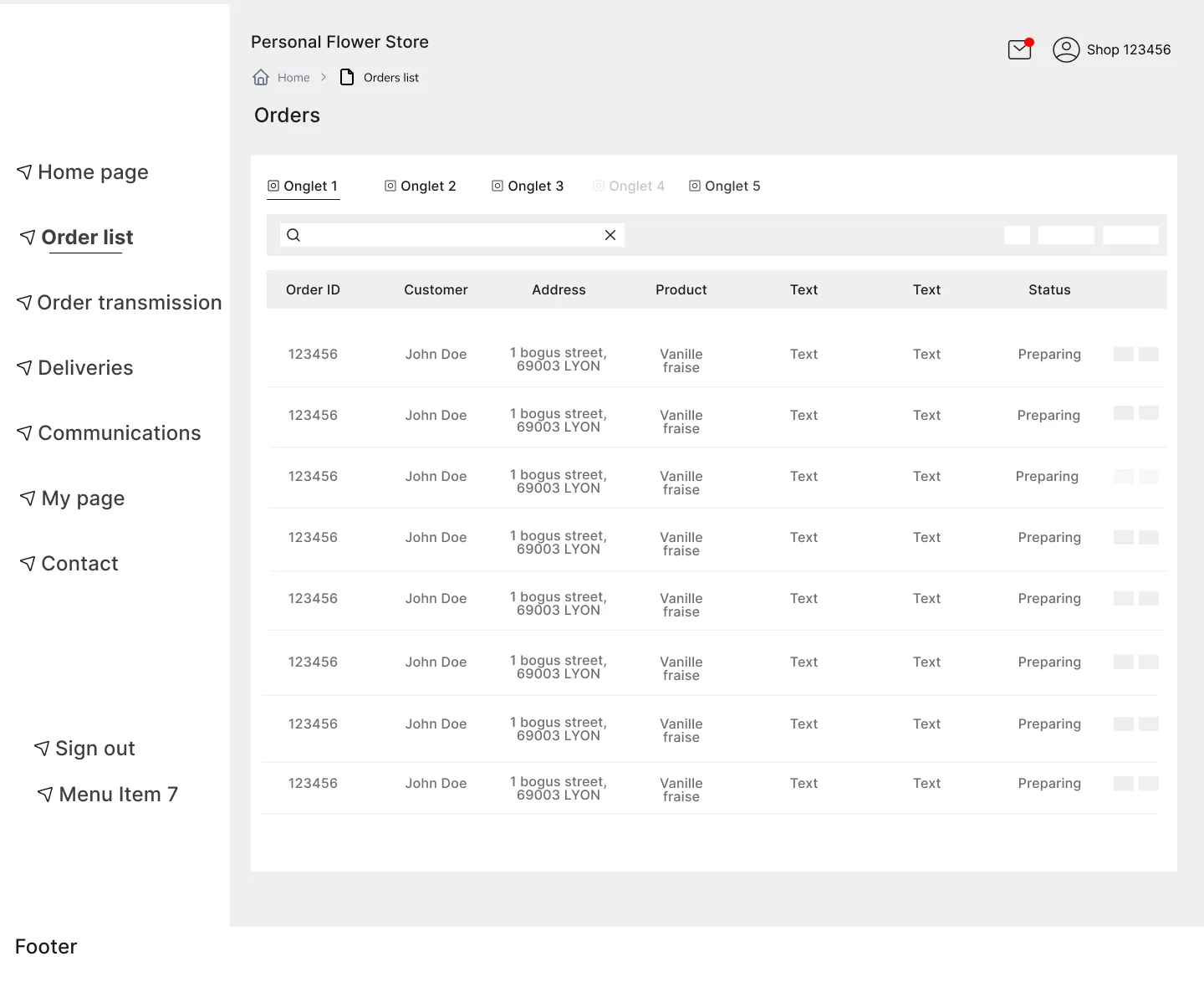
- 03Design a unified experience that accommodates market-specific needs within one system
- 04Build a scalable design system supporting the new unified tool
- 05Test and iterate to validate decisions before full rollout
Execution
Led the full design process from research to delivery, including 410 user interviews, persona creation, stakeholder workshops, and design system development across four countries.
What shipped
- 01Conducted 410 in-depth interviews with florists across Spain, Italy, France, and Denmark
- 02Created research-based personas grounded in real data from all four markets
- 03Facilitated alignment workshops with stakeholders across countries
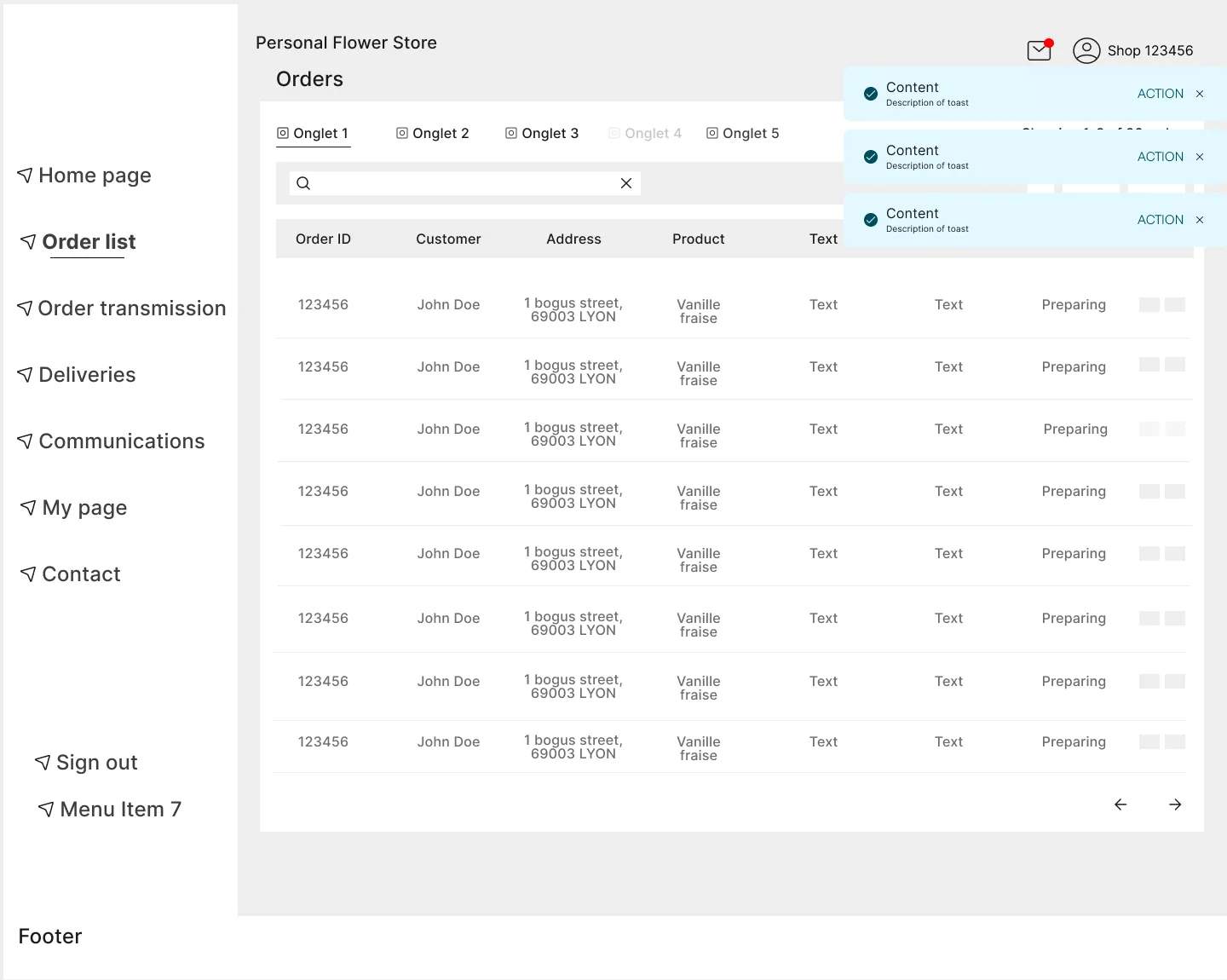
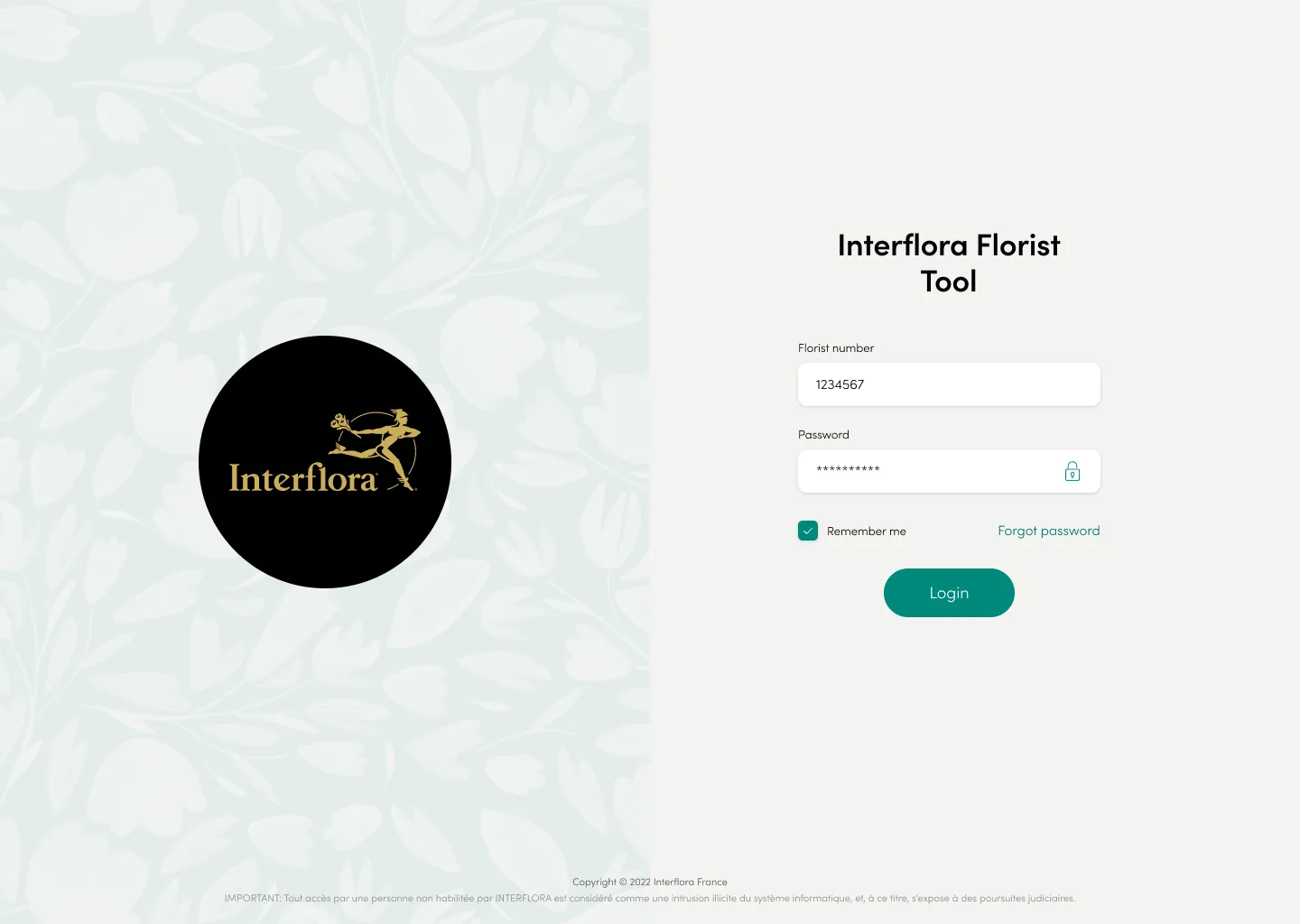
- 04Designed low to high-fidelity mockups with iterative usability testing
- 05Built a scalable design system supporting the unified multi-country tool
Impact
Delivered a unified experience across four countries, improving usability and efficiency for all markets while strengthening team alignment and establishing a data-driven foundation for future product decisions.
Key takeaway
At scale, the most valuable design tool is structured research. 410 conversations turned four fragmented market experiences into one shared product direction.